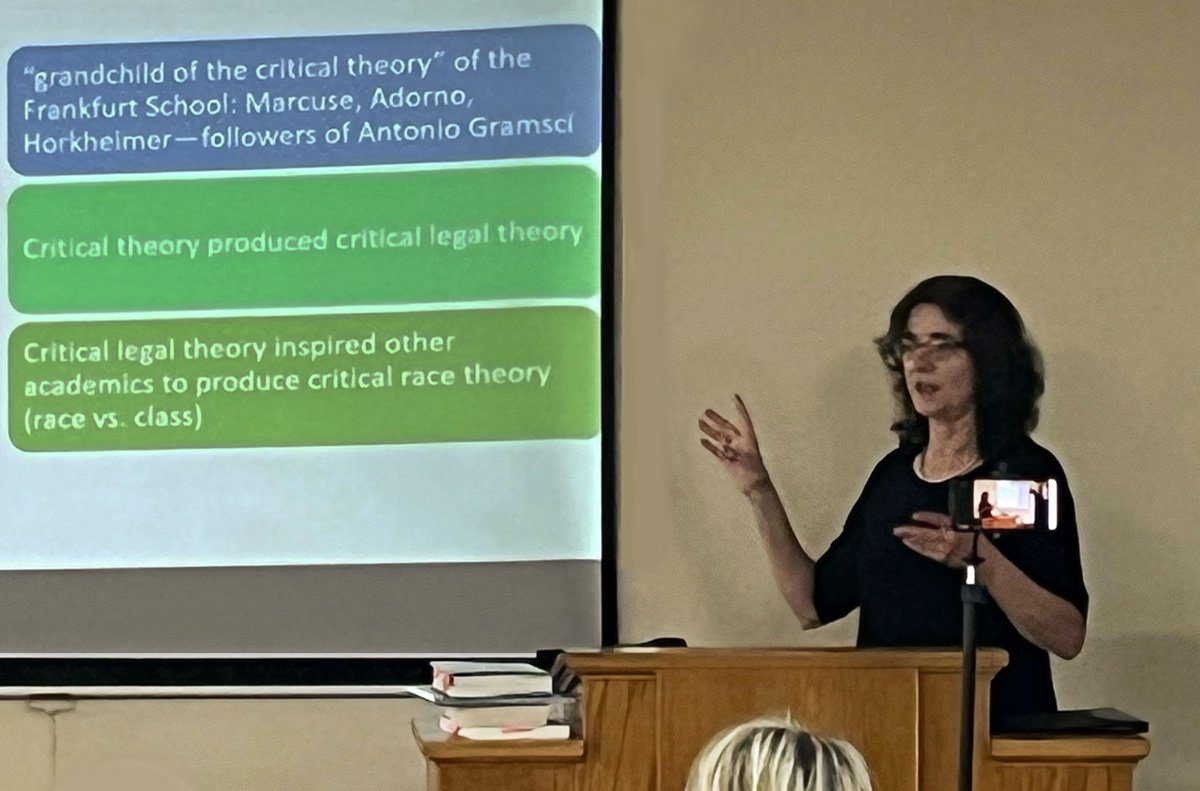
Mary Grabar, Resident Fellow, The Alexander Hamilton Institute for the Study of Western Civilization (AHI), has brought her knowledge of Franklin Roosevelt to bear on a recent book about one of his main antagonists: the famous aviator Charles Lindbergh. FDR treated him as a public enemy for his strong opposition to American intervention in the initial stages of World War II. His battle with Lindbergh, she writes in the December 14 issue of The American Spectator, is often presented wrongly as “a morality play” with Roosevelt as “the long-sighted hero in the war on fascism.”
A resident fellow at AHI since 2014, Dr. Grabar has most recently written Debunking FDR: The Man and the Myths, due out from Regnery in January. Her review of America First: Roosevelt vs. Lindbergh in the Shadow of War by the prolific historian H.W. Brands laments that he “remains the FDR fanboy” of his previously published book” Traitor to His Class: The Privileged Life and Radical Presidency of Franklin Delano Roosevelt.
In Brands’s new volume on the fight with Lindbergh, she writes: “FDR is still the heroic ‘traitor to his class.’ He ‘charmed people with his winning smile.’ After contracting polio, he retreated to the ‘soothing waters’ of Warm Springs, Georgia, where he got to know ‘humble whites and blacks’ … The image was cultivated, though. Although FDR called himself a ‘cracker farmer,’ he belonged to the most exclusive clubs where decisions were made with fellow East Coast millionaires.”
What Brands calls Roosevelt’s “savvy” in bringing the nation closer to involvement in World War II included, Dr. Grabar points out, “a British spy and propaganda agency in Rockefeller Center and taps on telephone lines of the anti-interventionist organization America First.”
Without speculating on Lindbergh’s alleged hidden anti-Semitism that opponents thought surfaced in his anti-interventionist Des Moines speech of September 1941, Brands places it “within his views about the ‘white’ race (a term not given historical context)” while telling readers little “about Roosevelt’s attitude towards Jews — outside of his circle of men of wealth and advanced degrees.”
Roosevelt smeared Lindbergh as a “Copperhead,” a “Fifth Columnist,” and finally a Nazi sympathizer, while surrogates amplified the charges. Dr. Grabar writes that he had been hostile to Lindbergh since 1934, when Lindbergh prominently protested against cancellation of airmail delivery contracts that were then given to the Army—at what he considered great risk to its pilots inexperienced in mail operations, flying inadequately equipped planes. Roosevelt vowed to “get that fair-haired boy.” When “deadly crashes and delivery delays brought public outcry” against the new policy, he “lied that General Staff member Douglas MacArthur had assured him about safety.”
As for his supposedly heroic international leadership before U.S. entry into the war, Dr. Grabar cites diplomatic historian Frederick Marks III to the effect that “FDR refused to carry the case for rearmament until opinion polls showed him lagging well behind Congress and the public”—and that appeasement had been “the keynote of Roosevelt’s approach to Hitler.”
In addition to her forthcoming book on FDR, Dr. Grabar is the author of Debunking Howard Zinn: Exposing the Fake History That Turned a Generation Against America (2019) and Debunking the 1619 Project: Exposing the Plan to Divide America (2021). She also founded the Dissident Prof Education Project.